
This blog was written by Virginia Ziulu Adv. DipNT mNTOI.
GLP-1 medications such as Wegovy, Ozempic, and Mounjaro have become widely known for their effects on appetite, blood sugar balance, and weight loss. But in recent years, many women with Lipedema have began using GLP-1s for different reasons: to help manage inflammation, pain, swelling, and mobility.
If you live with Lipedema, especially in the earlier stages, you may be wondering whether these medications can help you – even if you are not overweight. You may also be unsure about dosing, risks, and how these medications fit into long-term care or surgical plans.
This blog post breaks everything down in a simple, supportive, user-friendly way, so you can make informed decisions about your health.
*Please note the use of these medications should always be monitored by a professional team of doctors, nutritionists and other supportive healthcare professionals.
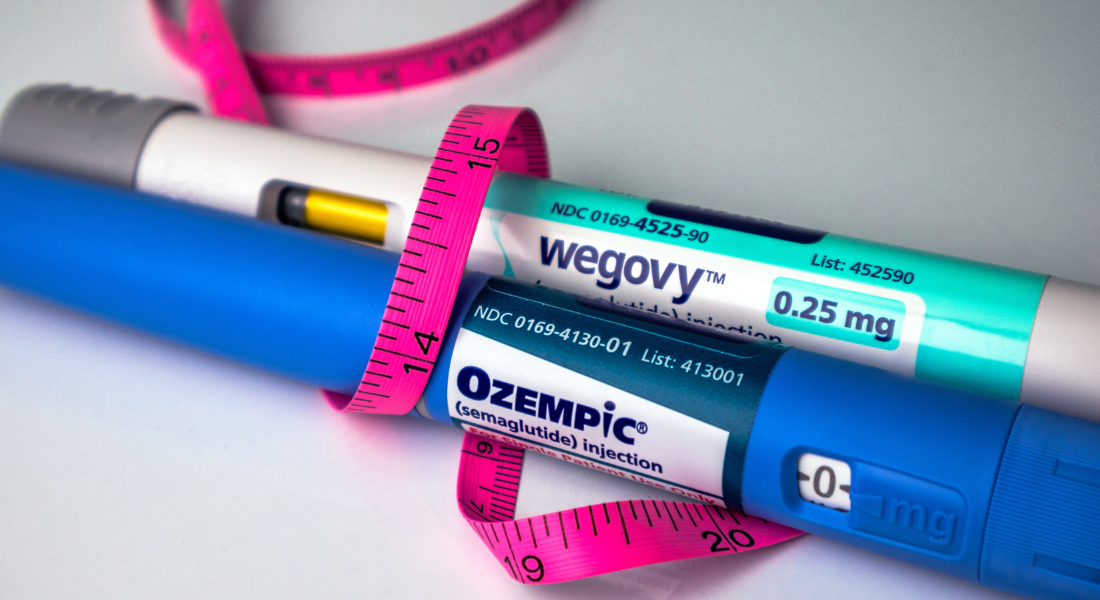
What Are GLP-1 Medications?
GLP-1s are medications that mimic a natural hormone your body already produces after you eat. This hormone helps balance blood sugar, reduce inflammation, calm appetite, and support metabolic health.
Although they are well known for helping with weight loss, they also have powerful anti-inflammatory and immune-modulating effects, which is why many women with Lipedema are finding them helpful – even when weight loss is not the main goal.
In Lipedema, where chronic inflammation, oxidative stress, and pain play a huge role, these medications may offer a therapeutic benefit beyond weight management.
1. Are GLP-1s Suitable for Women with Early-Stage Lipedema Who Aren’t Obese?
GLP-1 medications may still be beneficial, even if you are in the early stages of Lipedema and do not have obesity. But the intention and dosing are very different.
Women with Lipedema often experience:
● Chronic low-grade inflammation
● Pain or tenderness in the legs
● Hormonal sensitivity
● Fatigue or brain fog
● Swelling, heaviness, or fluid retention
● Difficulty losing fat in affected areas
These challenges are not caused by lifestyle choices, and Lipedema is not obesity. In fact, women with Lipedema often have:
● Normal blood sugar
● Higher adiponectin (a protective anti-inflammatory hormone)
● Unique inflammatory patterns in fat tissue
● Higher oxidative stress despite a healthy lifestyle
Because of this, GLP-1s may help by:
● Supporting metabolic signalling
● Lowering inflammation
● Calming the immune system within fat tissue
● Reducing oxidative stress
● Improving energy levels
● Supporting long-term symptom relief
You do not need to have obesity to see benefits. You do not need dramatic weight loss as an outcome. For many Lipedema patients, GLP-1s are used at lower doses and with very specific goals.
2. What Is Considered a Micro-Dose of GLP-1?
A micro-dose refers to using a much smaller amount of the medication than what is typically prescribed for weight loss. Usually this can be described as 1/10 to a 1/5 of the initial dosage (2.5mg). However every dosage needs to be tailored to each woman depending on many factors and response so there isn’t one set dosage that can be applied for every woman with Lipedema.
For example:
● A “standard” GLP-1 weight-loss dose often increases over time
● A micro-dose stays very low and often remains there
A micro-dose is typically used to:
● Reduce inflammation
● Improve metabolic function
● Calm the nervous system
● Support gut function
● Reduce pain or swelling
● Avoid the common side effects seen with full therapeutic doses
More importantly, women with Lipedema usually respond better to low, slow, and gentle dosing.
This helps prevent the gut issues, nausea, dizziness, muscle loss, and fatigue that can occur with higher doses.
3. Can GLP-1 Medications Eliminate the Characteristic Fat Deposits of Lipedema?
The honest and clear answer is we don’t know yet and we need more studies done on Lipedema tissue biopsies to see this. Tirzepatide may offer more benefits in adipose tissue remodelling than Semaglutide for instance which doesn’t target adipose tissue directly. The new triple agonists coming out in 2026 may even offer more benefits but we do need more long term research on this.
We still need to remember that:
● Lipedema fat is not “normal fat.”
● It does not respond to calorie restriction the way typical fat does.
● It is influenced by genetics, hormones, immune activity, oxidative stress, and chronic inflammation.
● Its structure includes fibrosis (hardening), enlarged fat cells, and changes in micro-circulation.
While GLP-1s may help with:
● Swelling
● Inflammation
● Pain
● Mobility
● Energy
● Overall wellbeing
We don’t know if the Lipedema adipose tissue is having the same changes as non diseased tissue as of yet.
However, GLP-1s may make the condition feel more manageable by reducing systemic inflammation, improving lymphatic flow, and lowering Lipedema pain. Many women report a promising softening of the tissue with a reduction in fibrosis.
4. What Are the Main Limitations, Risks, or Unknowns for People with Lipedema Using GLP-1s?
This is an incredibly important question. Women with Lipedema often have unique metabolic and digestive sensitivities, so certain risks need to be understood and monitored.
The main concerns include:
1. Digestive Issues
Women with Lipedema already have higher rates of:
● IBS
● Constipation
● Bloating
● SIBO (small intestinal bacterial overgrowth)
● Slow digestion
GLP-1s slow gastric emptying even further, which can increase:
● Constipation
● Gastroparesis
● Reflux
● Nausea
If digestive issues are present, they ideally should be addressed before starting GLP-1s.
2. SIBO and Gut Imbalances
Because GLP-1s slow the movement of food, they can worsen SIBO. Testing and supporting gut health first is essential.
3. Vestibular Problems
Semaglutide and other GLP-1s have been linked to increases in:
● Vertigo
● Balance issues
● Dizziness
● Inner-ear sensitivity
Women with existing vestibular disorders are often more affected and standard dosing is not recommended. Especially when MCAS (Mast Cell Activation Syndrome) is present.
4. Nutrient Deficiencies
GLP-1 use may lower levels of:
● B12
● Folate
● Iron
● Protein intake
Women with Lipedema may be more vulnerable due to:
● MTHFR gene mutations
● Restricted diets
● Reduced appetite on medication
5. Muscle Loss
If appetite suppression is too high, protein and nutrient intake decreases, leading to:
● Muscle loss
● Increased fatigue
● Reduced metabolic rate
● Slower recovery after surgery
Strength training and sufficient protein (1.2g per kg of body weight) are essential.
6. We don’t yet know the long-term effects for Lipedema
While GLP-1s have been well-studied for diabetes and obesity, research specifically in Lipedema is still emerging.
We do know that GLP-1s have powerful anti-inflammatory effects, but we don’t yet fully understand:
● Long-term impact on Lipedema fat
● Effect on fibrosis
● Impact on lymphatic health
● Interaction with Lipedema-specific metabolic patterns
For now, the approach must be personalised, cautious, and monitored.
5. How Do GLP-1s Affect Readiness for Lipedema Surgery and Recovery?
GLP-1 medications can be both supportive and challenging when planning surgery.
The positives
GLP-1s can:
● Reduce inflammation before surgery
● Lower pain and swelling
● Improve blood sugar stability
● Support weight management if needed
● Help patients feel physically stronger going into surgery improving surgical readiness.
The challenges:
GLP-1s can also:
● Slow gastric emptying, which increases operative risks
● Cause slower wound healing if nutritional intake is low
● Lead to muscle loss, which can reduce recovery strength
● Continue to suppress appetite during a period where nutrition is critical
Some surgeons require:
● A pause before surgery (often 2–4 weeks)
● Evidence of stable nutrition
● A personalised post-operative plan to avoid nausea and ensure adequate protein intake
In short, GLP-1s can help, but they must be used mindfully and usually require a pre- and post-surgery strategy with your healthcare provider.
6. Which GLP-1 Is Best to Lower Inflammation in Lipedema?
At this stage, we don’t have Lipedema-specific trials comparing medications. But based on clinical observation, research, and anti-inflammatory effects, Tirzepatide remains the best option for Lipedema patients as it has the dual effects of GLP-1 and GIP. The latter being the most important for adipose tissue remodelling.
These are the main differences between the different types of GLP-1 agonists:
Semaglutide (Ozempic, Wegovy)
● Strong anti-inflammatory potential
● Powerful metabolic benefits and weight loss
● Longer duration, but higher risk of GI and vestibular side effects
● Only works on immune cells receptors( not on adipose tissue directly)
Tirzepatide (Mounjaro, Zepbound)
● Works on both GLP-1 and GIP receptors (targeting adipose tissue receptors)
● Strong anti-inflammatory and insulin-sensitivity effects
● Significant weight loss
● Higher likelihood of GI issues in some women
Liraglutide (Saxenda)
● Daily injection
● Lowest weight loss and inflammation benefits
● Often gentler on the gut
● Poorer response for Lipedema in later stages
The best choice often depends on:
● Your gut health
● Whether you struggle with dizziness or vestibular issues
● Your appetite levels
● Your sensitivity to medications
● Your nutrition status
For Lipedema patients, Tirzepatide remains the best therapeutic choice to have a significant benefit on the adipose tissue.

Final Thoughts: A Personalised Approach Is Essential
GLP-1 medications can be a useful tool for women with Lipedema, not because they eliminate Lipedema fat, but because they can meaningfully support:
● Lower inflammation
● Reduced pain
● Improved mobility
● Better energy
● Enhanced metabolic balance
However, care must be individualised. Women with Lipedema have unique metabolic, digestive, and inflammatory patterns, and medication dosing must be carefully tailored.
If you are considering GLP-1s:
● Start low and slow
● Address gut health, nutrient levels, and protein intake first
● Work with a practitioner who understands Lipedema
● Have a plan for surgery if that is in your future
● Remember that these medications are a tool, not a cure
With the right guidance, GLP-1s can support your healing, reduce inflammation, and help you feel more in control of your body – no matter what stage of Lipedema you are in.

What type of dr is best to prescribe and follow up?
It can be your GP as well. Endocrinologist can prescribe it too
Women with Lipedema may be more vulnerable due to:
● MTHFR gene mutations
I’d like to know more as I have A and C mutations.
The mutation can affect how well this drug can work for you
Where are the studies for this? I’m a non responder. Thanks!