
This blog was written by Dr Fernando Freitas.
In short: Swell hell is the name given to the paradoxical worsening of swelling that happens between the third and sixth week after Lipedema surgery. It isn’t a complication… it’s an expected phase of recovery, when the local lymphatic system becomes temporarily overloaded. It usually settles between weeks 8 and 12, with regular manual lymphatic drainage, proper compression for Lipedema, and patience. Knowing it exists before you operate completely changes the experience.
If your swelling suddenly got worse around the third week, just when things seemed to be improving, and you started to panic that the surgery hadn’t worked, please take a breath! You’re not alone, and what you’re describing is most likely “swell hell”: probably the most frustrating and least talked-about phase of recovery after Lipedema surgery.
For many women, this is the moment when the thought creeps in that “the surgery failed.” In reality, the body is simply moving through an expected physiological stage. In this blog post, I’ll explain what swell hell is, why it happens, how long it lasts, and how to manage it – because understanding what’s happening is the single biggest thing that takes the fear out of this phase of healing.
What Is Swell Hell?
The term “swell hell” was actually born in the American patient communities of women who’d had Lipedema surgery. It isn’t a formal medical diagnosis, but rather the nickname patients gave to a well-described clinical phenomenon: the secondary increase in swelling between the third and sixth week after liposuction for Lipedema.
It has three features that help you recognise it:
The swelling worsens again after an initial improvement in the first couple of weeks.
It’s usually symmetrical, affecting both legs (or both arms) in a similar way.
It comes with a sense of heaviness, firmness, and palpable fibrosis.
In women operated on for other reasons, a conventional cosmetic liposuction, for example, swell hell tends to be much milder or absent altogether. It shows up far more strongly in Lipedema precisely because the tissue removed was diseased, and the lymphatic system was already chronically compromised before surgery.
Why Does Swelling Get Worse Before It Gets Better?
This is the key question, and understanding the mechanism is what removes the panic.
In the first two weeks, the drop in swelling is largely mechanical: the tumescent fluid injected during surgery drains away spontaneously through the small incisions. It’s a visible, rapid improvement.
From the third week, the picture changes. The tumescent fluid is gone, and what remains is the product of local inflammation – proteins, inflammatory cells, and interstitial fluid – which has to be cleared by the lymphatic system. And here lies the problem: the local lymphatic system, already compromised by Lipedema before surgery, now has to cope with a far heavier workload than usual.
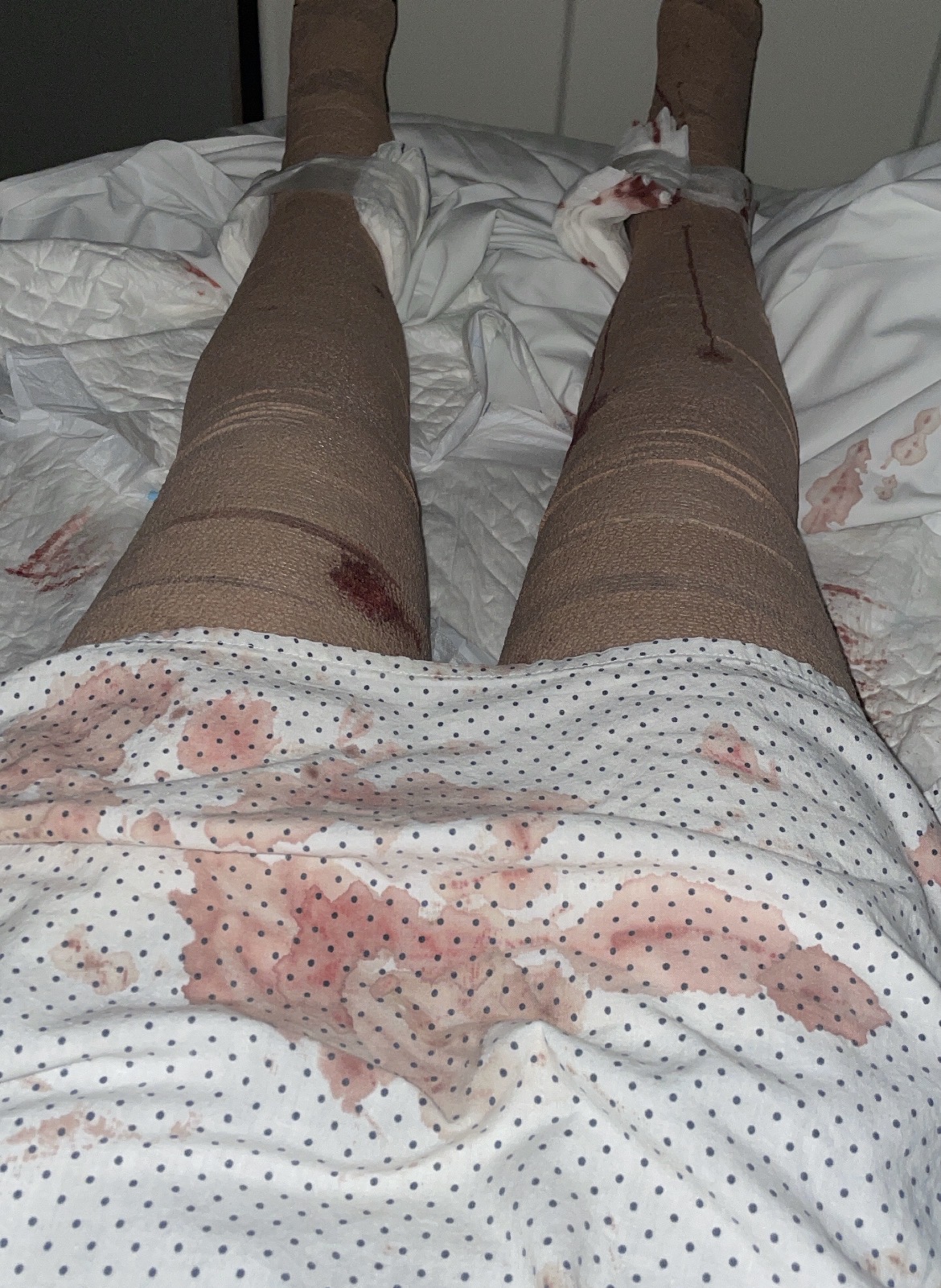
The result is a transient lymphatic overload. Fluid builds up in the subcutaneous tissue of the operated areas, the swelling increases, and you feel the limb heavier, firmer, and visually larger than it was in the first week. At the same time, post-surgical fibrosis begins to set in, which also contributes to that hardened feeling.
What needs to be absolutely clear is this: this phase is not a technical failure. It is not “the Lipedema coming back.” It’s the body’s expected response to surgery in tissue whose drainage system was already working at its limit.
When Does Swell Hell Start and End
The timeline is reasonably predictable, although it varies from patient to patient.
The onset: weeks 3 to 4. Most women begin to notice swell hell between days 18 and 28 after surgery. It tends to come on gradually, you notice the compression garment feels tighter, the leg looks “fuller” when you wake up, walking feels heavier.
The peak: weeks 4 to 5. Swelling usually peaks between days 28 and 35. This is the phase when patients tend to doubt the whole procedure. Visually, the legs can look close to their pre-operative size – in some areas, even slightly larger.
The resolution: weeks 8 to 12. From around the sixth week, the lymphatic system starts to adapt and the swelling gradually eases. By weeks 8 to 12, most women notice the limb is visibly slimmer than before surgery, although the final result is still taking shape. The definitive contour appears between months 6 and 12.
Swell Hell vs a Real Complication: How to Tell the Difference
This section matters. Swell hell is expected, but there are real post-operative complications that need to be recognised. The practical rule is to look at three things: symmetry, Lipedema related pain, and how quickly it develops.
Symmetry: swell hell is symmetrical. Significant swelling in just one leg, especially with localised pain, needs immediate assessment to rule out deep vein thrombosis.
Pain: swell hell causes heaviness, discomfort, and a sense of pressure, but rarely intense pain. Sudden, continuous, escalating pain, particularly with localised heat and redness, suggests infection, an organised haematoma, or another complication.
Time course: swell hell develops gradually over days. A sudden worsening over a few hours, with feeling generally unwell, fever, or breathlessness, calls for immediate contact with your surgical team.
When in doubt, always contact your team. The emotional cost of waiting is high, and most teams would far rather assess ten “false alarms” than miss one real complication.
How to Manage Swell Hell
The good news is there are proven ways to get through this phase more comfortably. You can’t “skip” swell hell, but you can shorten it and make it less distressing.
Manual lymphatic drainage (the central pillar): by far the most important intervention. MLD for Lipedema performed by a professional trained in post-surgical care helps the lymphatic system reorganise and clears the excess inflammatory fluid. During swell hell, this is usually 2-3 sessions per week, and in more intense cases up to 4. Without regular drainage, swell hell tends to drag on and fibrosis can become persistent.
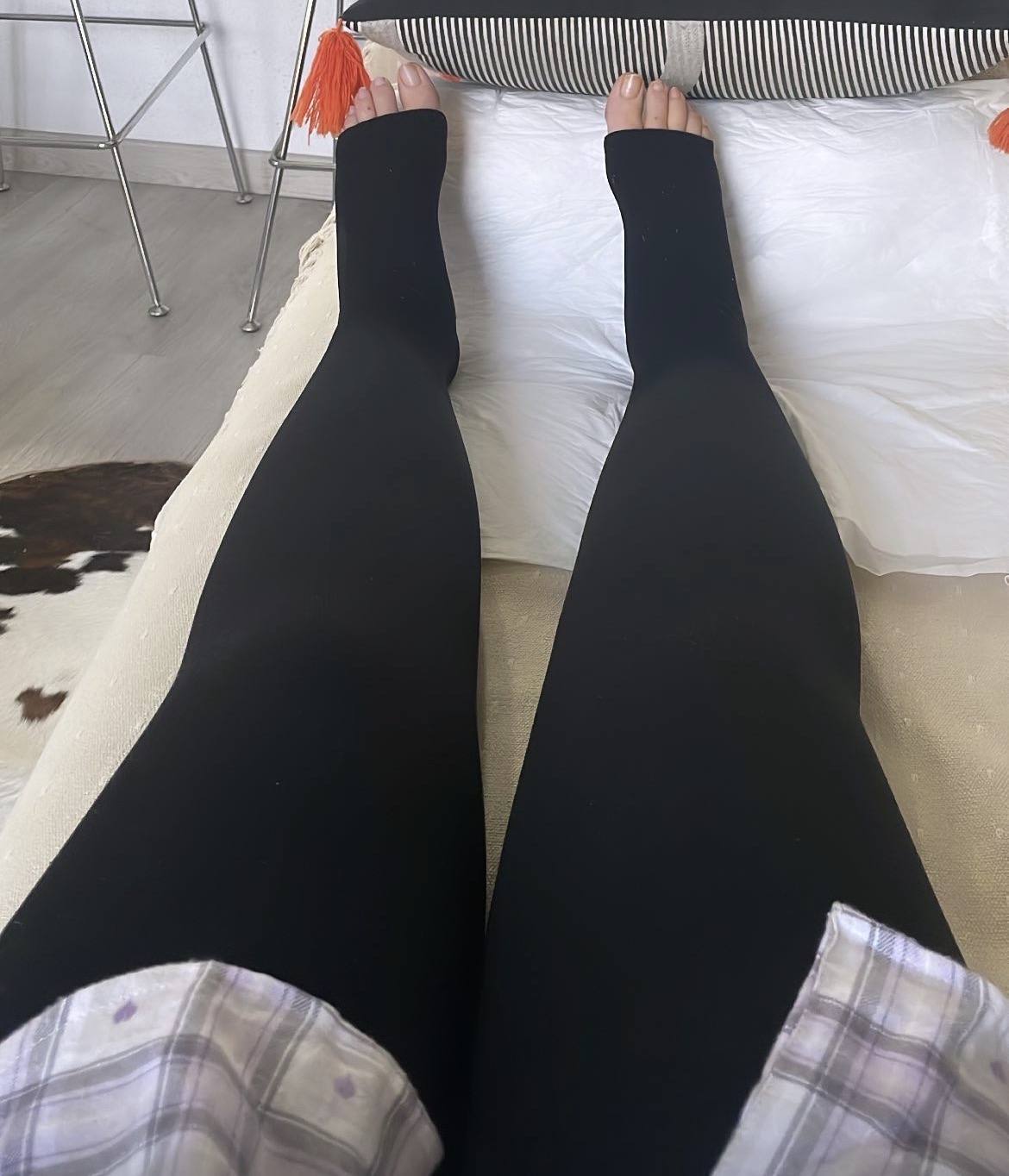
Proper compression: if your original garment feels too tight during swell hell, it doesn’t mean you’ve gained weight or that the surgery failed – it means the tissue is more swollen and your current size is no longer ideal. Talking to your surgeon about an interim garment or a size adjustment for this phase is often the right call.
Effortless movement: gentle walks, breathing exercises, and active mobilisation stimulate the muscle pump and venous return. This isn’t exercise to “burn fat”, it’s movement to help the lymphatic system do its job. Straining, squats, and high-impact activity, on the other hand, worsen the swelling at this stage.
Hydration and nutrition: drinking 2-3 litres of water a day (unless medically restricted), reducing salt, and following an anti-inflammatory diet for Lipedema, rich in lean protein, vegetables, berries, and nuts, all support the process. It’s not a miracle diet, but it reduces the factors that worsen fluid retention.
Supplements with some evidence: bromelain, arnica (oral and topical), and diosmin have some level of evidence for managing post-operative swelling and may be recommended by your surgeon. They shouldn’t be self-prescribed.
Red light therapy and radiofrequency: photobiomodulation (red light) and radiofrequency can usually be introduced from around the fourth week to support the management of swelling and early fibrosis. They’re complements, never substitutes, to lymphatic drainage.
Hyperbaric oxygen therapy: this is something I personally like to offer some of my patients during this phase. Robust scientific evidence is still limited, but in my experience many of them report a great deal of relief.
Warning Signs: When Not to Wait
Although swell hell is an expected phase, some signs call for immediate contact with your surgical team:
Significant swelling in just one leg, particularly in the calf.
Sudden, intense, localised pain.
Progressive redness, with heat and hardening of a specific area.
Fever above 38°C after the third day.
Breathlessness, chest pain, or a persistent cough.
Pus-like or foul-smelling discharge from one of the incisions.
Very rapid worsening over a few hours, with feeling generally unwell.
None of these are typical of swell hell. All of them warrant assessment the same day.
Swell Hell at a Glance
| Phase | When | What to expect | What to do |
| Onset | Weeks 3-4 | Garment feels tighter, limb feels “fuller” | Keep up MLD and compression |
| Peak | Weeks 4-5 | Swelling at its worst, self-doubt sets in | Stay the course, contact team if anxious |
| Resolution | Weeks 8-12 | Limb visibly slimmer than pre-op | Continue support, set realistic expectations |
| Final contour | Months 6-12 | Definitive result | Maintain stable weight |
Final Thoughts on Swell Hell
The biggest difference between the women who move through swell hell calmly and those who live it with anxiety comes down to one thing: knowing about it beforehand. Patients who understand what’s coming stick to their aftercare, avoid rash decisions, and reach the third month with realistic expectations and at peace with the process.
If you’re preparing for Lipedema surgery, it’s worth understanding why it differs from a conventional cosmetic liposuction, and where this swelling phase fits into the full 12-month recovery timeline. And if you’re in it right now: it passes. It really does.
Frequently Asked Questions
How long does swell hell last after Lipedema surgery?
Swell hell usually begins between weeks 3 and 4, peaks between weeks 4 and 5, and resolves in most cases between weeks 8 and 12. The exact timing depends on the stage of Lipedema, the volume removed, how consistently you have lymphatic drainage, and your individual response.
Does swell hell happen to everyone who has Lipedema surgery?
Not everyone, but the large majority. The intensity varies: women with stages 1 and 2 tend to have milder swell hell, while those with stages 3 and 4, or larger volumes removed, tend to experience it more intensely. In conventional cosmetic surgery, it’s far less pronounced.
Can manual lymphatic drainage prevent swell hell?
It can’t prevent it completely, swell hell is part of the physiology of recovery. But regular MLD, started in the first week, reduces the intensity of the swelling and shortens the overall phase. Women who don’t have drainage tend to have more intense, more prolonged swell hell.
Is it normal for my compression garment to feel tight during swell hell?
Yes, it’s a very common complaint. Because the tissue is more swollen at this stage, the garment can feel tight and uncomfortable. It doesn’t mean you’ve gained weight or that the surgery failed. In some cases, your surgeon may suggest an interim garment for this specific phase.
What do I do if I think I’m in swell hell but I’m panicking?
First: breathe. Anxiety at this point is part of almost every Lipedema patient’s journey. Second: contact your surgical team and describe what you’re feeling… a quick consultation or reassurance usually resolves the anxiety and confirms whether everything is within the expected range. Third: keep up your drainage frequency and your compression. The phase passes.
Written by Dr Fernando Freitas, a plastic surgeon specialising in Lipedema. He supports women through every stage of Lipedema treatment, with a particular focus on surgical planning and post-operative recovery. You can follow him on Instagram at @drfernandofreitasplastica.