
This blog post was written by Dr Anuj Kr Purbey
As a surgeon specialising in VASER liposuction techniques and Lipoedema treatment in general, I have had the privilege of helping hundreds of women reclaim their lives from this often misunderstood and debilitating condition. Having performed over 100 successful procedures on women with Lipoedema, I have witnessed first-hand the profound impact that surgical intervention can have – not just on physical appearance, but on pain levels, mobility, and overall quality of life.
In this blog, I want to share my perspective on why VASER liposuction has become my treatment of choice for Lipoedema patients, what you can expect from the procedure, and how it fits within a comprehensive approach to managing the condition.
Understanding Lipoedema: More Than Just ‘Fat Legs’
Lipoedema is a progressive disorder characterised by the abnormal accumulation of fat cells, primarily in the legs, thighs, hips, arms and sometimes lower abdomen. Unlike ordinary fat caused by obesity, Lipoedema fat does not respond to diet and exercise in the conventional sense. This is one of the most frustrating aspects for patients, who often spend years trying to lose weight, only to find that their lower body (and arms) remain disproportionately large.
What many people, including some healthcare professionals, fail to appreciate is that Lipoedema is not simply a cosmetic concern. It is a progressive medical condition that causes significant pain, tenderness, easy bruising, and swelling. The diseased fatty tissue compresses lymphatic channels, blood vessels, and nerves, leading to the characteristic symptoms that my patients describe: heaviness, aching, sensitivity to touch, and a feeling that their legs do not belong to them.
It’s estimated that approximately 10-11% of women are affected by Lipoedema globally, yet it remains significantly under-diagnosed. Many of my patients have spent years, often decades, being told to simply ‘lose weight’ or being misdiagnosed with obesity or Lymphedema. By the time they reach my clinic, they are often exhausted, frustrated, and desperate for answers.
The Role of Conservative Treatment
Before considering Lipoedema surgery, I always discuss conservative measures with my patients. These form the foundation of Lipoedema management and include:
Compression therapy: Lipoedema compression garments can help reduce swelling and provide support to the affected tissues. They are particularly important post-operatively and for ongoing management.
Manual lymphatic drainage (MLD): This specialised massage technique stimulates the lymphatic system and can provide temporary relief from swelling, pain and discomfort.
Anti-inflammatory diet: While diet cannot eliminate Lipoedema fat, following an anti-inflammatory eating plan can help not only manage symptoms, reduce overall inflammation in the body and likely help slow down the progression of this condition.
Gentle exercise: Low-impact activities such as swimming, aqua aerobics, rebounding, and walking can support lymphatic flow and general wellbeing without exacerbating Lipoedema symptoms.
However, conservative measures for Lipoedema have their limitations. They can manage symptoms and potentially slow progression, but they cannot remove the diseased fat tissue itself. For many patients, particularly those with more advanced stages of Lipoedema, surgery offers the most effective path to significant, lasting improvement.
Why I Choose VASER Liposuction for Lipoedema
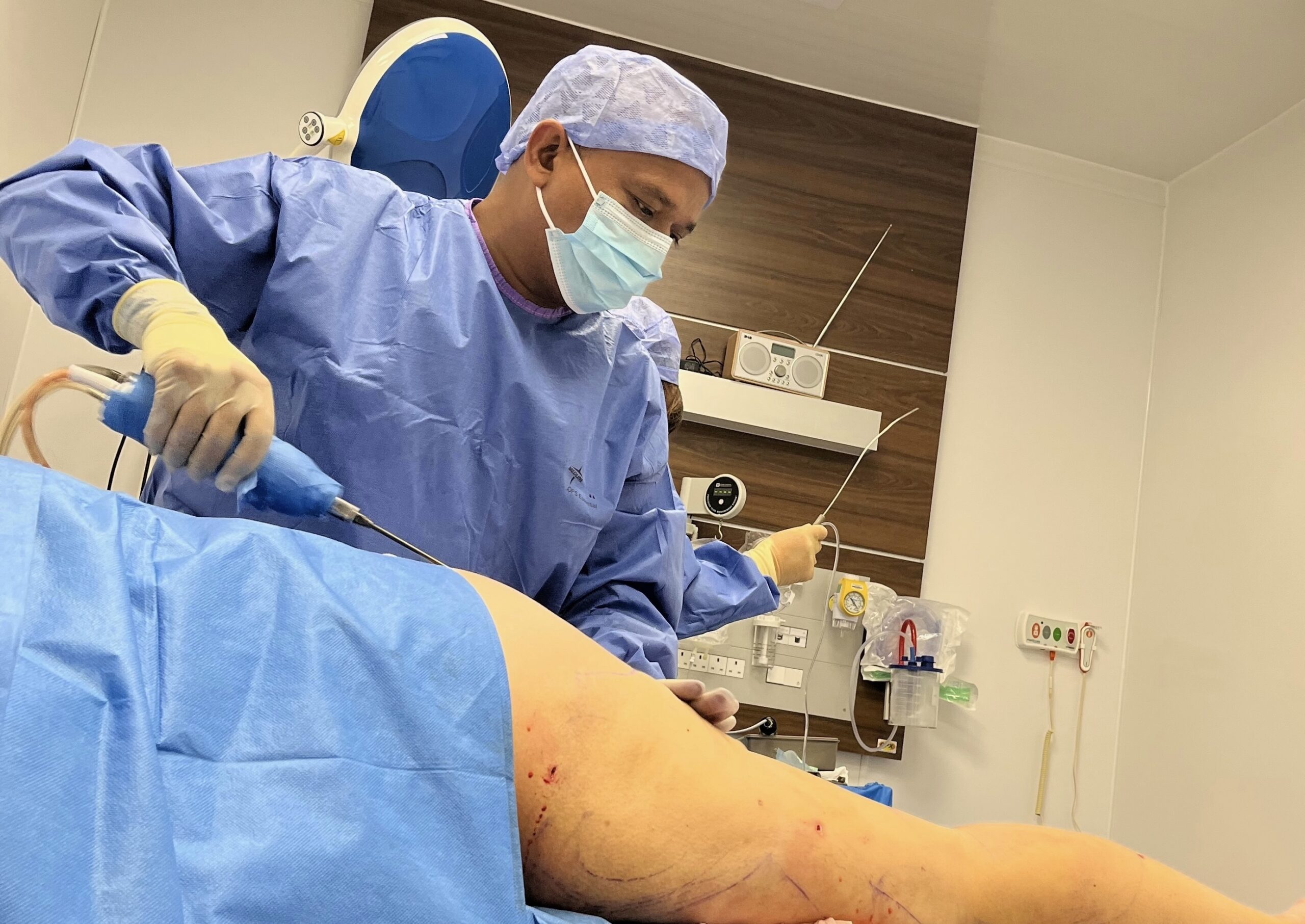
Having trained in various liposuction techniques, I have found VASER (Vibration Amplification of Sound Energy at Resonance) to be the optimal approach for treating Lipoedema. Here are my reasons why:
Lymph-Protective Technology
One of my primary concerns when treating Lipoedema surgically is protecting the lymphatic system. Lipoedema patients already have compromised lymphatic function, and damaging lymphatic vessels during surgery could lead to secondary lymphedema – a complication we absolutely want to avoid.
VASER technology uses ultrasound energy to selectively emulsify fat cells while preserving the surrounding tissues, including lymphatic channels, blood vessels, and nerves. The ultrasonic waves target fat cells specifically, breaking them apart at a cellular level before gentle suction removes them. This approach significantly reduces trauma to the lymphatic system compared to traditional liposuction methods.
Reduced Blood Loss and Bruising
The ultrasound energy used in VASER liposuction spares nerves and blood vessels, which significantly reduces blood loss during the procedure. This is particularly important in Lipoedema Reduction Surgery, where we often need to remove large volumes of fat to achieve meaningful results. Less blood loss means safer procedures and faster recovery for my patients.
Patients with Lipoedema typically experience easy bruising due to fragile blood vessels in the affected tissue. Despite this, I consistently find that post-operative bruising following VASER liposuction is less severe than patients expect…a testament to the gentleness of the technique.
Precision and Contouring
VASER allows me to achieve precise body contouring results. The emulsified fat is easier to remove evenly, which reduces the risk of contour irregularities that can occur with other techniques. This precision is essential when treating Lipoedema, as we want to achieve natural-looking, symmetrical results while removing the maximum safe amount of diseased tissue.
Skin Tightening Benefits
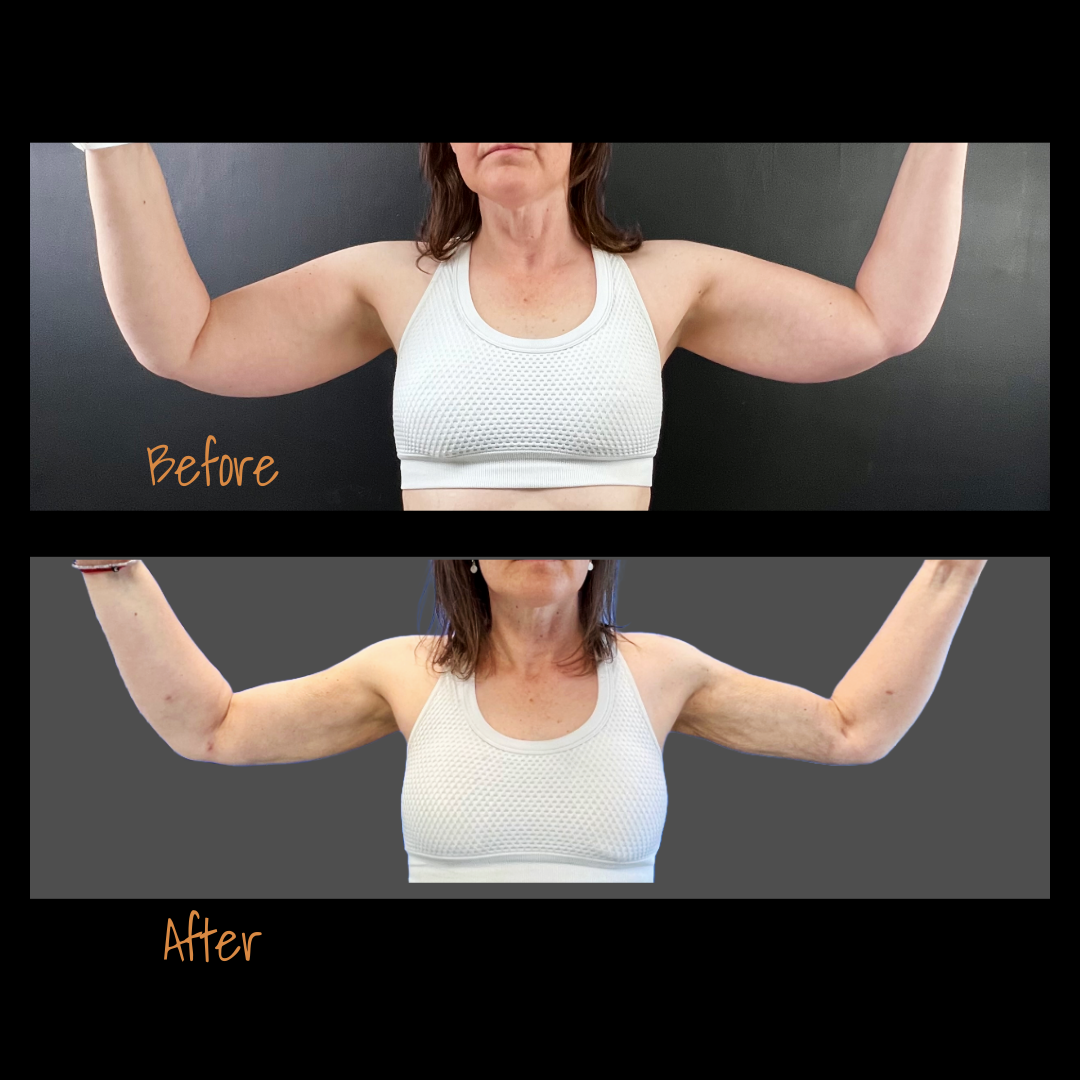
An additional benefit of VASER is that the ultrasound energy stimulates collagen production in the treated areas. This can promote skin tightening after Lipoedema surgery, helping the skin retract to the new body contours. While results vary depending on factors such as age and skin elasticity, many of my patients experience better skin quality than they might with other liposuction methods.
High-Volume Treatment in Single Sessions
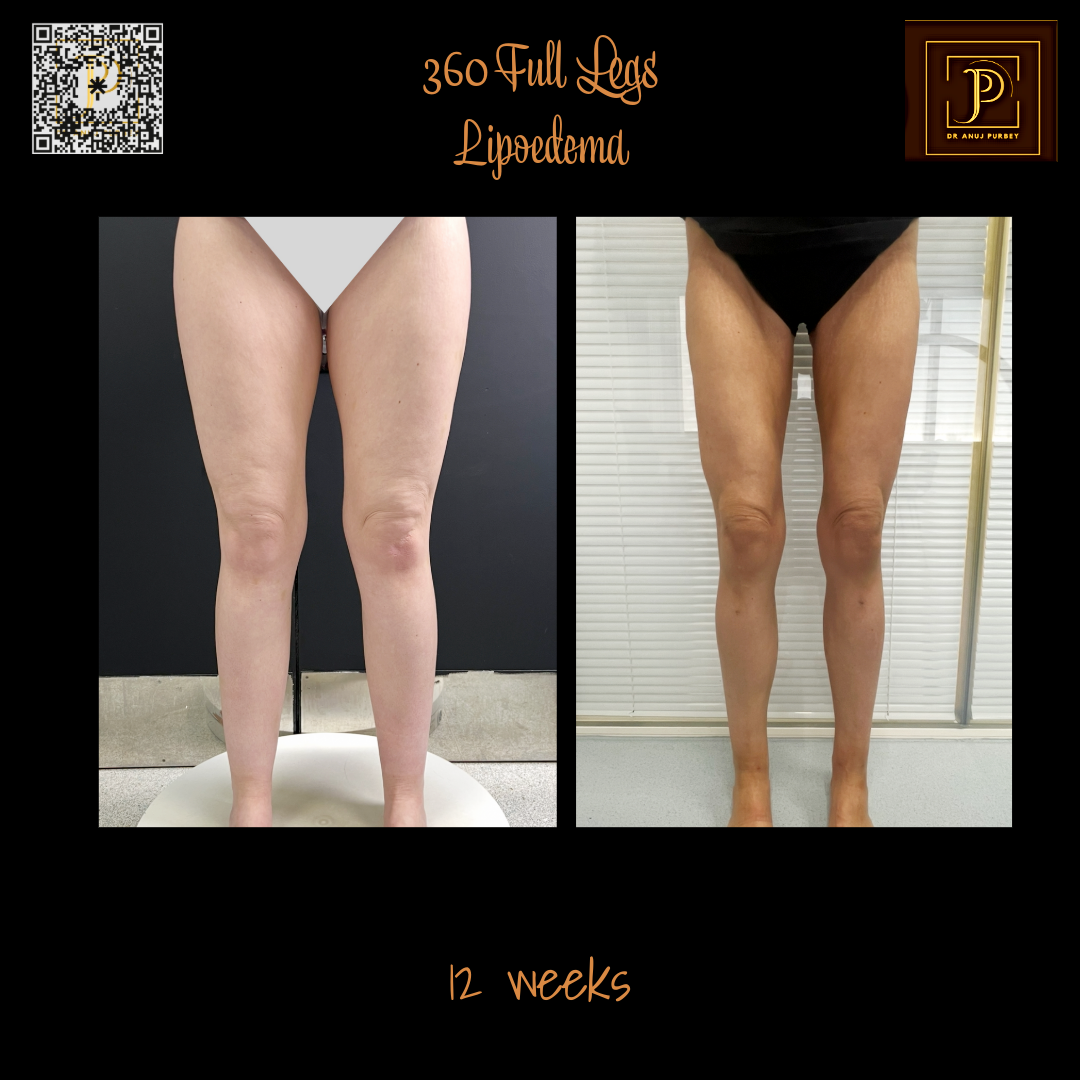
Lipoedema often requires the removal of significant volumes of fat to achieve the desired benefit to mobility. VASER’s lymph-sparing properties and reduced blood loss make it possible to safely remove larger volumes in a single session, reducing the number of surgeries a patient needs. For full 360-degree leg treatment, I typically plan procedures carefully to maximise results while maintaining the highest safety standards.
What to Expect: The VASER Liposuction Process
For patients considering VASER liposuction for Lipoedema, here’s an overview of what the journey typically involves:
Initial Consultation
Every patient’s journey begins with a comprehensive consultation. During this appointment, I take time to understand your medical history, assess your Lipoedema stage and distribution of fat, discuss your symptoms and concerns, and explain what surgery can realistically achieve. I believe in setting honest, realistic expectations. VASER liposuction is highly effective, but it is not a cure for Lipoedema. It is a powerful tool for managing the condition and improving quality of life.
Pre-Operative Preparation
Patients receive detailed instructions for preparing for surgery. This typically includes optimising general health, ensuring compression garments are ready for post-operative use, and following specific guidelines regarding medication and Lipoedema nutrition. A thorough pre-surgery checklist helps ensure the best possible outcomes.
The Procedure
VASER liposuction is performed under general or local anaesthesia with or without sedation, depending on the extent of treatment and individual preferences. The procedure involves:
1. Injecting tumescent fluid (a solution containing local anaesthetic and adrenaline) into the treatment areas to numb the tissue and reduce bleeding.
2. Inserting small VASER probes through tiny incisions (typically 3-4mm) to deliver ultrasound energy that emulsifies the fat cells.
3. Gently suctioning out the liquefied fat using specialised cannulas.
4. Closing the small incisions (often with sutures) and applying compression garments.
Treatment time varies depending on the areas being addressed. For full leg treatment, patients should expect the procedure to take several hours.
Recovery
One of the advantages of VASER liposuction is the relatively quick recovery time compared to traditional liposuction. Most patients can return to light activities within 7-14 days, though strenuous exercise should be avoided for 6 weeks.
Post-operative care includes:
• Wearing compression garments continuously for the first few weeks, then during the day for several months
• Gentle walking to promote circulation and lymphatic drainage
• Manual lymphatic drainage, known as massage for Lipoedema, (I typically recommend starting on day 3 post-operatively)
• Regular follow-up appointments to monitor healing progress
Initial results are visible within a few weeks as swelling subsides, but final results typically emerge over 3-6 months as the tissue settles and skin retracts.
Realistic Expectations: What VASER Can and Cannot Do
I believe in honest communication with my patients. Here is what VASER liposuction can achieve for Lipoedema:
Significant reduction in volume: Most patients see substantial reduction in the size of their legs and/or arms, restoring better proportion to their body shape.
Pain relief: The vast majority of my patients report significant reduction in Lipoedema-related pain after surgery. Removing the diseased tissue relieves pressure on nerves and improves comfort.
Improved mobility: With less bulk and weight in the legs, patients often find it easier to move, exercise, and perform daily activities.
Reduced bruising and tenderness: Many patients notice that the easy bruising characteristic of Lipoedema improves after surgery.
Better quality of life: Perhaps most importantly, patients frequently describe feeling like themselves again – being able to wear clothes they want and live a more active life without constant pain.
However, there are limitations to be aware of:
It is not a cure: Lipoedema is a chronic condition. While surgery removes diseased fat cells (which should not return in the treated areas), ongoing management with compression, exercise, and healthy eating remains vital.
Multiple procedures may be needed: Depending on the extent of Lipoedema, some patients require more than one procedure to achieve optimal results.
Skin laxity may require additional treatment: While VASER promotes skin tightening, patients with significant skin laxity may benefit from additional procedures or treatments to achieve their desired outcome.
Am I a Suitable Candidate for VASER Liposuction?
Good candidates for VASER liposuction for Lipoedema typically:
• Have a confirmed Lipoedema diagnosis
• Have tried conservative treatments without adequate symptom relief
• Are in generally good health and suitable for surgery
• Have realistic expectations about outcomes
• Are committed to post-operative care and ongoing Lipoedema management
• Are at a stable weight (significant weight fluctuations can affect results)
During consultations, I would assess whether VASER liposuction is appropriate for your individual situation and discuss any factors that might affect your suitability or outcomes.
Final Thoughts from Dr Purbey
Treating Lipoedema with VASER liposuction is one of the most rewarding aspects of my practice. Seeing patients transform, not just physically, but in their confidence, mobility, and freedom from pain, is extremely fulfilling.
If you are living with Lipoedema and have been considering surgical treatment, I would encourage you to seek out a Lipoedema specialist who understands this condition and has specific experience in lymph-sparing liposuction techniques. The right surgeon, using the right approach, can make an incredible difference to your results and overall experience.
Lipoedema may be a progressive condition, but it does not have to define your life. With proper treatment and ongoing management, you can reclaim control and live with confidence.
Dr. Anuj Purbey is a VASER liposuction specialist with extensive experience in treating Lipoedema. He practises at Manchester Private Hospital and London Private Hospital. For consultations, visit or contact his team directly via WhatsApp (+44 7356 058966) or email at in**@******ey.com.

Hello. I am from Canada. Could you recommend a M.D. in Manitoba , Canada who could diagnose me?
Hi Rita,
Thanks for your message.
Get in touch with Lipedema Canada, they might be able to help you.
https://lipedemacanada.org/
Thanks,
Sophie
Can I get a price plz
Hi Tina,
Please use the below contact details to contact the clinic directly:
WhatsApp (+44 7356 058966) or email at in**@******ey.com
Thanks,
Sophie