
This blog is written by Dr Iakovos Georgiou.
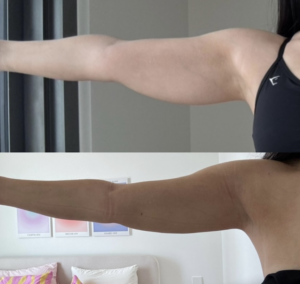
If you’re considering or have already had Lipedema Reduction Surgery, one of the questions that might be on your mind is what happens to your skin afterwards. When large volumes of diseased fat are removed during liposuction for Lipedema, it’s completely natural to wonder whether your skin will tighten up or whether you’ll be left with loose, sagging skin.
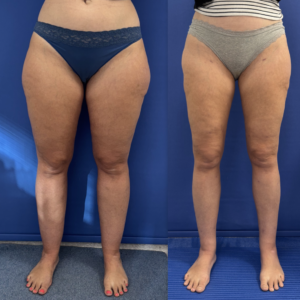
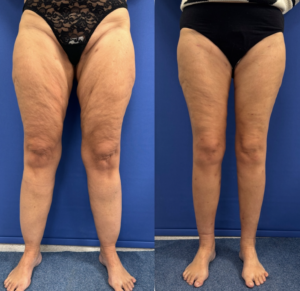
Skin tightening post Lipedema liposuction is one of the most common worries I see discussed in the Lipedema community. The good news? For many women, the skin does retract and tighten over time. But there are also steps you can take, and various treatments available, to help the process along.
In this blog post, I’ll cover everything you need to know about skin tightening after Lipedema liposuction, from what affects your results to the different treatment options available.
Why Does Skin Become Loose After Lipedema Liposuction?
When you have Lipedema, the abnormal fat tissue stretches the skin over time. The more advanced your stage of Lipedema, the more the skin has been stretched to accommodate the diseased fat. During liposuction, this fat is removed, sometimes several litres of it, and the skin is left with less volume underneath to cling to.
Think of it a bit like deflating a balloon. If the balloon was only slightly inflated and for a short time, it bounces back pretty well. But if it’s been stretched a lot for years, it may take longer to retract, or it might not fully return to its original state without a little help.
It’s also worth noting that Lipedema fat is composed differently to normal fat. It’s more fibrous and can cause changes to the surrounding connective tissue, which may affect how the skin responds after surgery. This is one of the reasons why choosing an experienced Lipedema surgeon who uses lymph-sparing techniques is so important.
Factors That Affect Skin Tightening Post Lipedema Liposuction
Not everyone will experience the same level of skin retraction after surgery. Several factors play a role in how well your skin bounces back:
Age and skin elasticity: Younger skin tends to contain more collagen and elastin – the proteins responsible for keeping skin firm and stretchy. As we age, our bodies produce less of these proteins, which can make it harder for the skin to retract after fat removal.
Stage of Lipedema: Women with more advanced Lipedema who require larger volumes of fat removal are more likely to experience some degree of skin laxity. If you have stage 3 Lipedema, the skin has typically been stretched more significantly over a longer period of time.
Treatment area: Some areas of the body are more prone to loose skin than others. The inner thighs and upper arms tend to be more affected, while areas like the calves and ankles often respond better in terms of natural skin retraction.
Volume of fat removed: The more fat that’s removed in a single session, the greater the chance of some skin laxity. This is one reason why some surgeons recommend multiple surgeries – it allows the skin time to retract between procedures.
Intrinsic skin characteristics
Skin retraction after lipedema reduction surgery is influenced in part by the qualities of your skin going into surgery. These include genetics and past changes in body weight. Skin that has been stretched for long periods of time may respond differently than skin with more natural elasticity.
Extrinsic factors that affect skin healing
How well the skin tightens also depends on overall skin and tissue health. Good circulation and healthy collagen support the skin’s ability to adapt after surgery. Long-term exposures and habits, such as sun exposure and tobacco use, can affect how the skin heals and remodels over time.
Surgical technique: Lymph-sparing techniques like PAL and WAL liposuction tend to preserve the surrounding connective tissue better than traditional methods, which can support better skin retraction and reduce the risk of complications.
The Natural Skin Tightening Timeline
After Lipedema liposuction, your body goes through a healing process that takes time. It’s important to be patient and not judge your results too early. Here’s a rough timeline of what to expect:
Weeks 1-2: Swelling and Lipedema bruising are at their peak. The surgical area may look puffy and uneven, and it’s far too early to assess skin retraction. Focus on rest, wearing your Lipedema compression garments, and following your surgeon’s aftercare instructions.
Weeks 3-6: Swelling begins to subside and you’ll start to notice the skin beginning to tighten. Many women see encouraging early results during this period.
Months 2-3: This is when significant improvements usually become visible. The skin continues to contract as collagen rebuilds and the tissue settles into its new shape.
Months 4-6: For many women, this is when the final results start to take shape. The last bits of swelling fade and the skin continues to firm up.
Months 6-12: Subtle improvements can continue for up to a year as collagen remodelling takes place. Some women report seeing their best results around the 9-12 month post op mark.
It’s so important to give your body time to heal. I know it can be tempting to panic about loose skin in the early weeks, but try to trust the process.
Minimally-Invasive And Non-Surgical Skin Tightening Options After Lipedema Liposuction
If your skin doesn’t retract as much as you’d hoped, or if you want to give it a helping hand, there are several non- surgical or minimally-invasive skin tightening options available. Some of these can even be performed during liposuction itself.
1. Renuvion (J-Plasma)
Renuvion is one of the most talked-about skin tightening treatments in the Lipedema space right now. It uses a combination of radio frequency energy and helium gas to create a plasma beam that tightens the skin from the inside. The treatment is performed through the same small incisions used during liposuction, so there are no additional scars.
Renuvion works by causing collagen to contract immediately, with continued collagen remodelling over the following months. Professional and clinic sources describe around a 30-40% improvement in skin laxity. It’s best suited for women with mild to moderate skin looseness, and results can last up to three years.
2. Laser Skin Tightening
Some specialist Lipedema clinics offer laser skin tightening performed at the same time as liposuction. A diode laser is used to tighten the skin from the inside, stimulating new collagen and elastin production. The immediate tightening effect is visible right after surgery, with the full results developing over around six months as the body rebuilds collagen.
One of the key advantages of laser tightening is that it’s completely scar-free, as it’s carried out through the existing liposuction incision sites.
3. Cool Plasma
Cool plasma is a newer technique that uses ionised helium or argon gas to tighten the skin and connective tissue. The plasma heats the targeted structures to promote collagen contraction, while the outflowing gas simultaneously cools the surrounding tissue to prevent burns. It can be performed during liposuction or as a separate procedure after the surgical site has fully healed.
4. Radio frequency (RF) Therapy
Radio frequency therapy involves using heat energy to stimulate collagen production deep within the skin. This is a non-invasive option that can be carried out after you’ve fully recovered from surgery.
Multiple sessions are typically required – most women need between 6 and 12 weekly sessions for noticeable results. RF therapy is best suited for mild to moderate skin laxity.
5. Microneedling
Microneedling, also known as collagen induction therapy, uses tiny needles to create controlled micro-injuries in the skin, which stimulates the body’s natural collagen and elastin production. While it’s a gentler option, it can be a nice complement to other skin tightening treatments.
6. Morpheus8 (Radiofrequency Microneedling)
Morpheus8 combines microneedling with radiofrequency energy to stimulate collagen production deeper within the skin. The tiny needles deliver heat below the surface, helping to improve skin firmness and texture over time. This is an outpatient procedure that does not involve incisions, so there are no surgical scars.
Treatment is usually performed with a local anaesthetic cream to improve comfort. Sessions are spaced about 4–6 weeks apart, and most patients need at least three treatments for noticeable improvement. Morpheus8 may be considered once surgical healing is complete and is best suited for mild to moderate skin laxity, either on its own or as part of a broader skin-tightening plan.
Surgical Skin Tightening Options
In some cases, particularly for women with stage 3 Lipedema or those who have had very large volumes of fat removed, non-surgical or minimally invasive options may not be enough. Surgical skin removal involves excising the excess skin and is typically performed after the initial liposuction has fully healed.
Common surgical skin tightening procedures include arm lifts (brachioplasty) for the upper arms, thigh lifts for the inner thighs, and in some cases, body lifts for more extensive excess skin. These procedures do come with longer recovery times and scarring, but they can be life-changing for women dealing with significant skin laxity that affects their mobility and comfort.
It’s worth discussing surgical skin removal with your Lipedema surgeon if loose skin is causing friction, inflammation, limiting your movement, or affecting your comfort in daily life, including intimacy, after liposuction.
How to Support Natural Skin Retraction After Lipedema Liposuction
While some factors are outside your control, there are plenty of things you can do to give your skin the best possible chance of tightening naturally after surgery.
Wear your Lipedema compression garments: I can’t stress this enough. Compression garments help reduce swelling, support the tissue as it heals, and encourage the skin to adhere to its new contours. Most surgeons, including myself, recommend wearing them for at least six weeks after surgery. In some cases, wearing compression for longer can be beneficial, which is why long-term follow-ups and staying in contact with your surgeon are so important – your recovery plan may need to be adjusted based on how your body heals.
Stay hydrated: Well-hydrated skin is more supple and elastic, which supports the natural retraction process. Aim to drink plenty of water throughout the day, especially during your recovery.
Eat a nutrient-rich diet: A diet rich in lean protein, vitamin C, vitamin E, and antioxidants supports collagen production and tissue repair. An anti-inflammatory diet for Lipedema is especially beneficial, as it can help manage inflammation and support overall healing. Foods like berries, leafy greens, citrus fruits, nuts, and lean meats are all great choices.
Get moving: Once your surgeon gives you the go ahead, gentle exercise for Lipedema can improve circulation, support lymphatic function, and promote collagen production. Swimming, walking, and using a vibration plate for Lipedema are all excellent low-impact options. Even though exercise will not directly tighten the skin, building muscle tone can help your body look more sculpted and make loose skin appear firmer.
Protect your skin from the sun: UV exposure damages collagen and elastin fibres, which are exactly what your skin needs to retract after surgery. Use a broad-spectrum SPF 30 or higher on any exposed areas, and try to avoid prolonged sun exposure during your recovery period.
Consider MLD massage: Manual Lymphatic Drainage massage can help reduce swelling, prevent fluid build-up, and support the healing process. Many Lipedema surgeons recommend starting MLD right after surgery, and it is usually continued for at least six weeks to support optimal recovery.
Maintain a stable weight: Significant weight fluctuations after surgery can stretch the skin again, undoing some of the benefits of liposuction. Maintaining a stable weight helps preserve your results long-term.
Skin Tightening Options Overview
|
Treatment |
Invasiveness |
Timing |
Best For |
Recovery |
|
Renuvion (J-Plasma) |
Minimally invasive |
During or after lipo |
Mild to moderate skin laxity |
1–2 weeks + compression for 6 weeks |
|
Laser tightening |
Minimally invasive |
During lipo |
Moderate skin laxity |
Same recovery as lipo |
|
Cool Plasma |
Minimally invasive |
During or after lipo |
Moderate skin laxity |
Minimal if standalone |
|
Radiofrequency (RF) |
Non-invasive |
After full recovery |
Mild to moderate laxity |
No downtime (6–12 sessions) |
|
Microneedling |
Non-invasive |
After full recovery |
Mild laxity, skin texture |
Minimal (multiple sessions) |
|
Morpheus8 |
Non-invasive |
After full recovery |
Mild laxity, skin texture |
Minimal (multiple sessions) |
|
Surgical skin removal |
Invasive |
After lipo has healed |
Significant excess skin |
2–6 weeks |
Final Thoughts on Skin Tightening Post Lipedema Liposuction
Skin tightening post Lipedema liposuction is something that understandably concerns a lot of women. The reality is that for many, the skin does retract naturally over time, especially when we support the process with compression, good nutrition, hydration, and gentle exercise.
For those who do experience more significant skin laxity, there are some brilliant options available, from minimally invasive treatments like Renuvion and laser tightening to surgical skin removal for more advanced cases. The key is to have an open conversation with your Lipedema surgeon about your expectations and to give your body the time it needs to heal.
If you’re considering Lipedema liposuction and skin tightening is something you’re worried about, I’d encourage you to bring it up during your consultation. A good surgeon will be able to assess your skin quality and recommend the best approach for your individual situation. You can explore surgeons and read verified reviews on our Find a Surgeon directory.
Have you had skin tightening after Lipedema liposuction? I’d love to hear about your experience – share your story in the comments below!
Frequently Asked Questions
Will my skin tighten naturally after Lipedema liposuction?
In many cases, yes. The skin gradually retracts over 6–12 months as swelling subsides and new collagen forms. Factors like your age, skin quality, and the volume of fat removed all influence how well your skin bounces back. Wearing compression garments, staying hydrated, and eating a nutrient-rich diet can all support the process.
When should I consider skin tightening treatment after Lipedema liposuction?
Most surgeons recommend waiting at least 6-12 months after liposuction before considering additional skin tightening treatments. This gives your body time to heal naturally. However, some treatments like Renuvion and laser tightening can be performed at the same time as liposuction.
Does Lipedema liposuction always cause loose skin?
Not necessarily. Many women are pleasantly surprised at how well their skin retracts, especially with lymph-sparing techniques like WAL or PAL liposuction. However, larger volume removals and more advanced stages of Lipedema do carry a higher chance of some residual skin laxity.
How much does skin tightening after Lipedema liposuction cost?
Costs vary significantly depending on the treatment type, the clinic, and your location. Non-surgical options like radio frequency therapy can range from a few hundred to a few thousand pounds for a course of sessions, while surgical skin removal will be considerably more. It’s best to discuss pricing directly with your surgeon during a consultation.